The Teamwork Behind the CODERS Website
Designing a Website Isn't Just About Coding. It's About Team Dynamics.

Brendan Lambrecht
Team Dynamics are the Unseen Force Behind Every Successful Project.
When I first started my journey at the University of Wisconsin–La Crosse and began to build my first projects, I had the impression that I would never need to care about working on a team. I thought teamwork itself was an important concept, but I never realized how valuable a skill it truly is, in the tech industry and even in local organizations on campus. One of these organizations is CODERS, a computer science club founded near the start of 2015 and still thriving today.
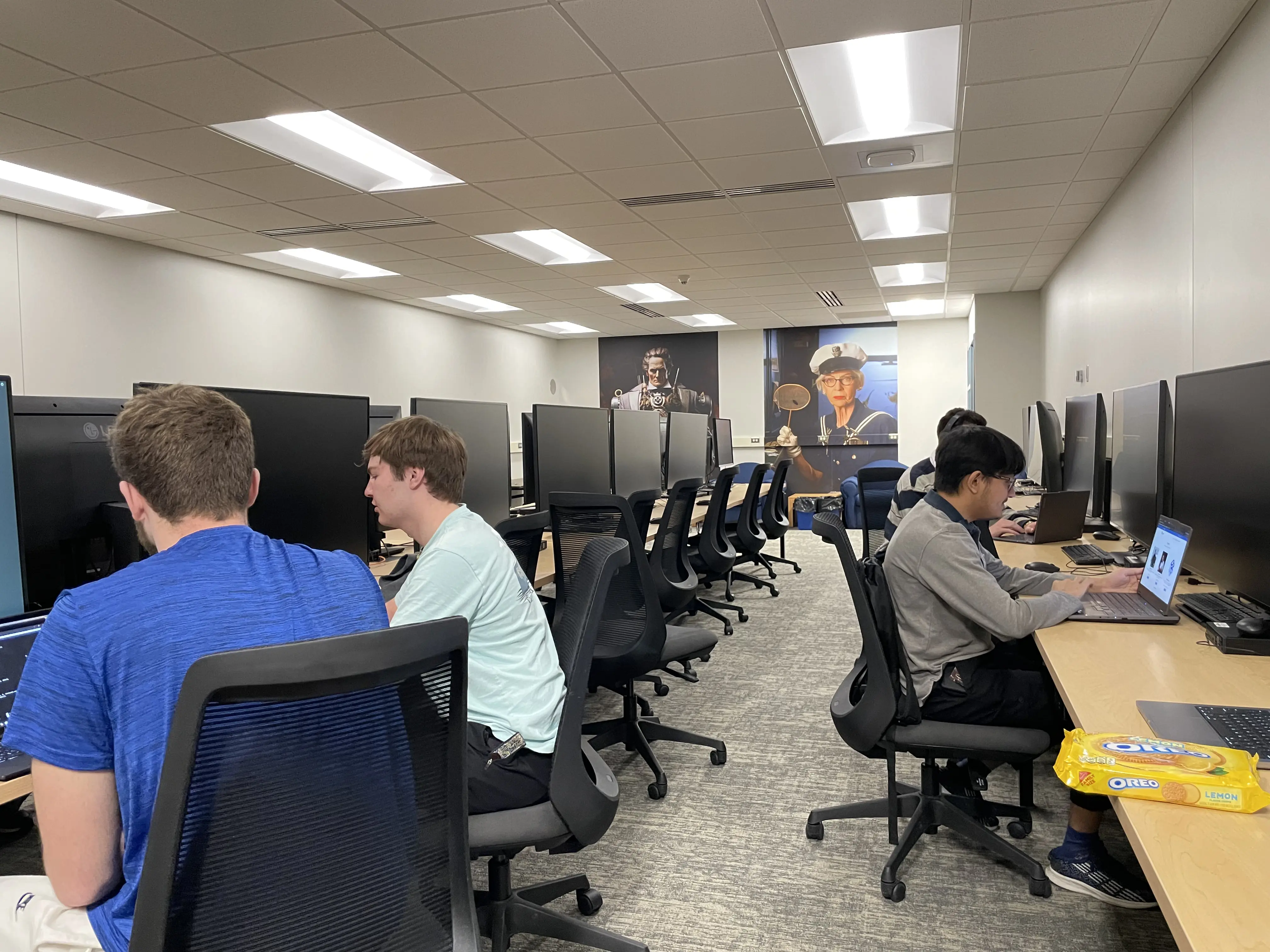
I've had the honor and privilege of serving as President and main representative of CODERS for almost two years, and working on the CODERS Website alongside my team has completely reshaped my understanding of teamwork, leadership, and collective problem-solving.
Understanding and Applying the Software Development Life Cycle
One of the most essential lessons I brought to my team was the Software Development Life Cycle (SDLC). The SDLC is a process that guides software projects from idea to deployment through phases like planning, design, implementation, testing, and maintenance. Teaching my team how to follow these structured steps not only helped us visualize our goals but also gave order to a complex project that might have otherwise felt overwhelming.
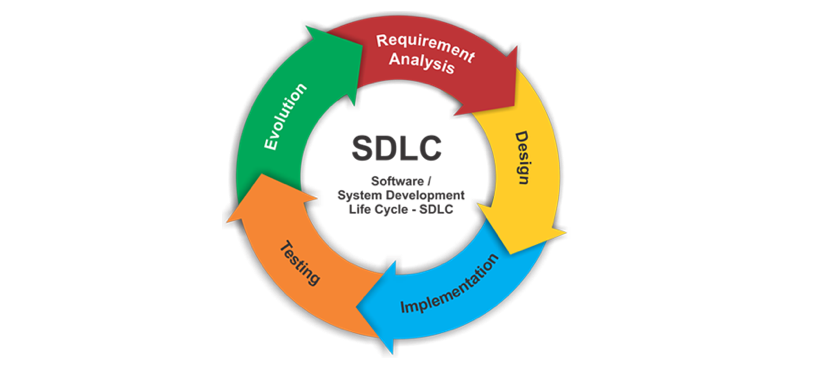
As a leader, this framework allowed me to guide meetings more effectively, set realistic deadlines, and encourage accountability from every member. Our efficiency improved dramatically once we began thinking like professional developers rather than just students building a website.
Implementing SCRUM and Weekly Collaboration
To bring structure and momentum to our workflow, we adopted a lightweight SCRUM Methodology, an agile framework designed to encourage teamwork, flexibility, and rapid iteration. In SCRUM, teams work in short, focused cycles called sprints, followed by quick check-ins to plan next steps.
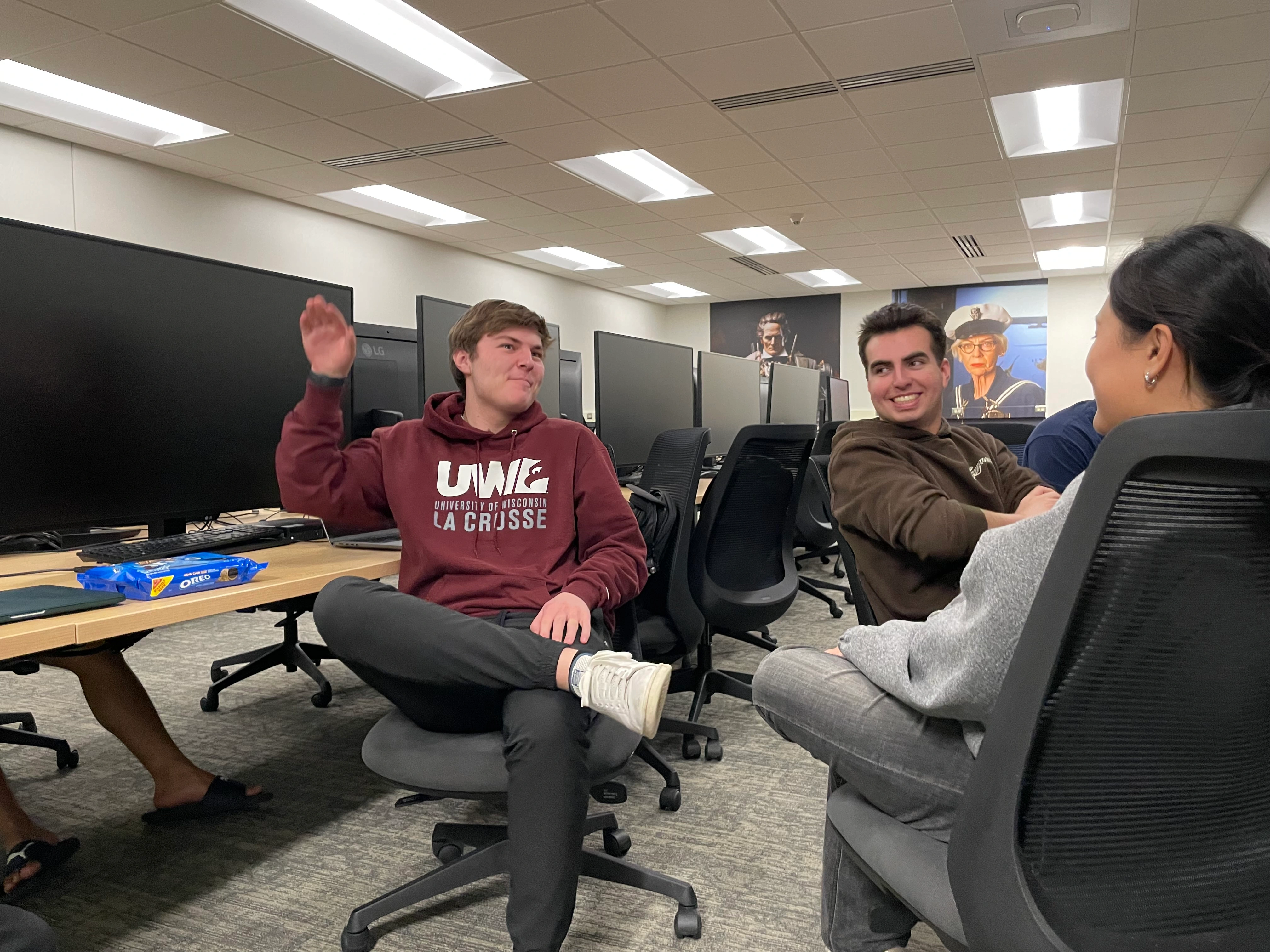
We held weekly meetings that mirrored these Scrum stand-ups, where each member discussed goals, roadblocks, and accomplishments. This process kept everyone engaged and accountable while promoting honest communication. Over time, these meetings became one of the most enjoyable parts of the project, helping us build a strong rhythm of collaboration that set our team apart from typical student groups.
Learning by Doing: Teaching the Fundamentals
Most of our team members had little or no experience in web development when we began. Instead of waiting for future coursework, we decided to learn collaboratively, diving straight into TypeScript, JavaScript, HTML, CSS, and Angular together.
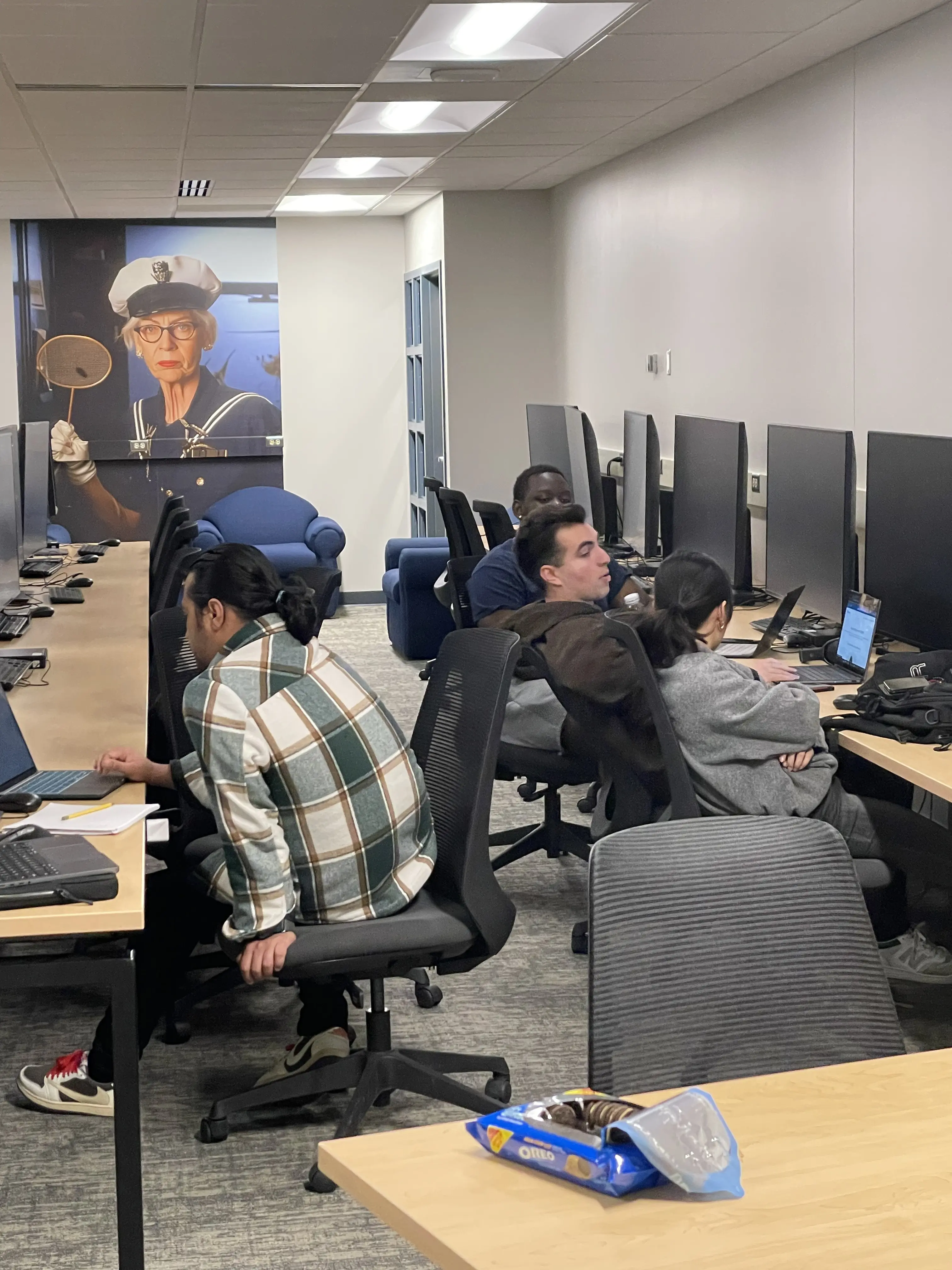
Teaching these languages through the lens of our real project made the learning feel immediately useful. Concepts that might have seemed abstract in class quickly became second nature when everyone saw how their code shaped a live product. This hands-on, goal-driven approach proved faster and far more rewarding than traditional lectures, as every concept we learned had a direct impact on the site we were building.
Facing Real-World Challenges
Like many large-scale student projects, the CODERS website came with challenges that tested our patience, creativity, and communication skills. From coordinating contributions across multiple branches on GitHub to managing new ideas from enthusiastic members, our biggest hurdle was balancing ambition with organization.
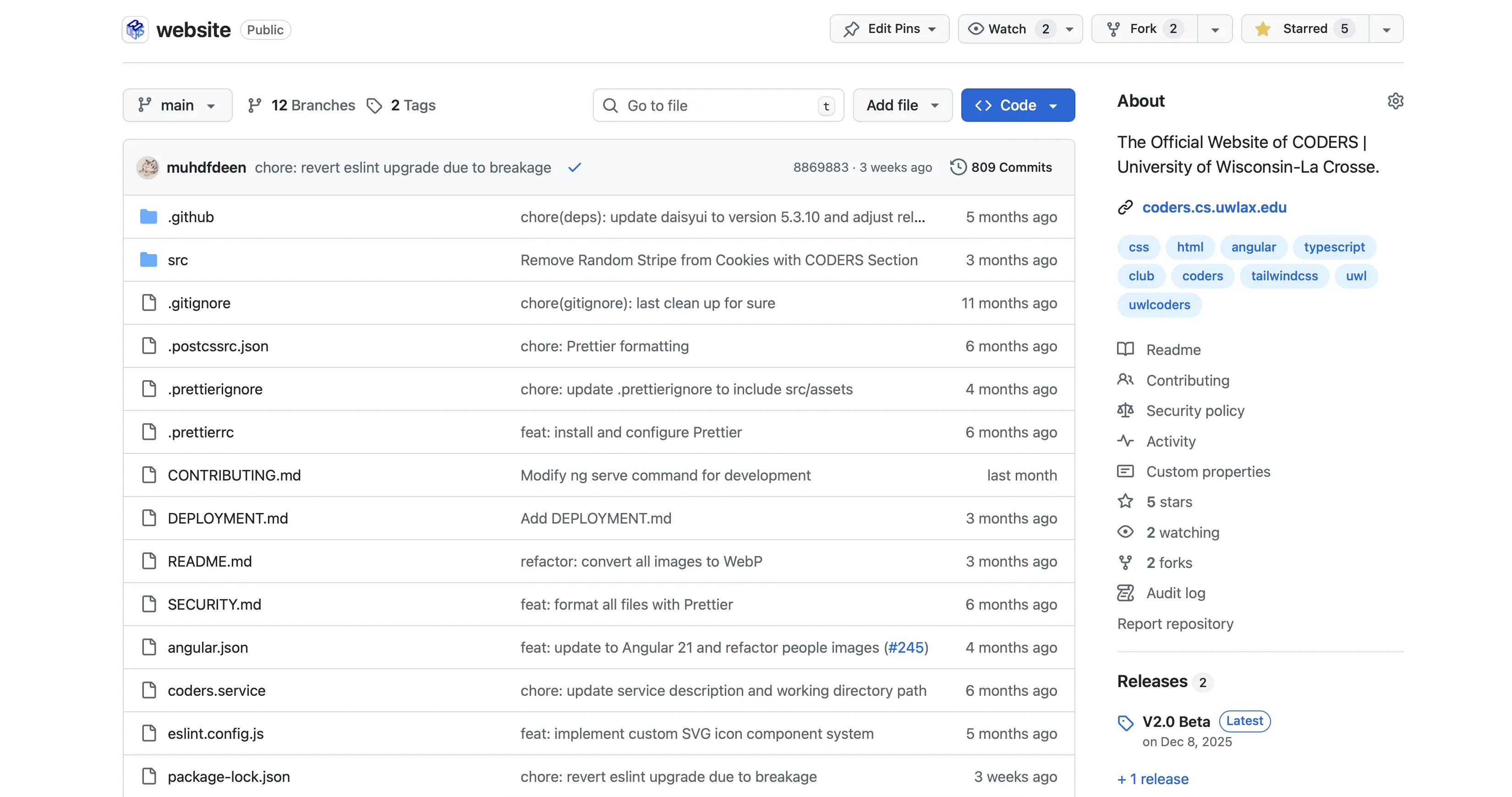
We also had to ensure our website adhered to the university's policies on accessibility, security, and proper hosting. This meant working closely with professors, our faculty advisors, and the UWL server administrator to deploy and maintain the site responsibly. Those meetings taught us how professional teams collaborate with stakeholders, an experience few students get before graduating.
The Lasting Impact
For the thirteen students involved, this project turned out to be one of the most transformative experiences of our college careers. We didn't just learn how to build a website; we learned how to work as a real development team.
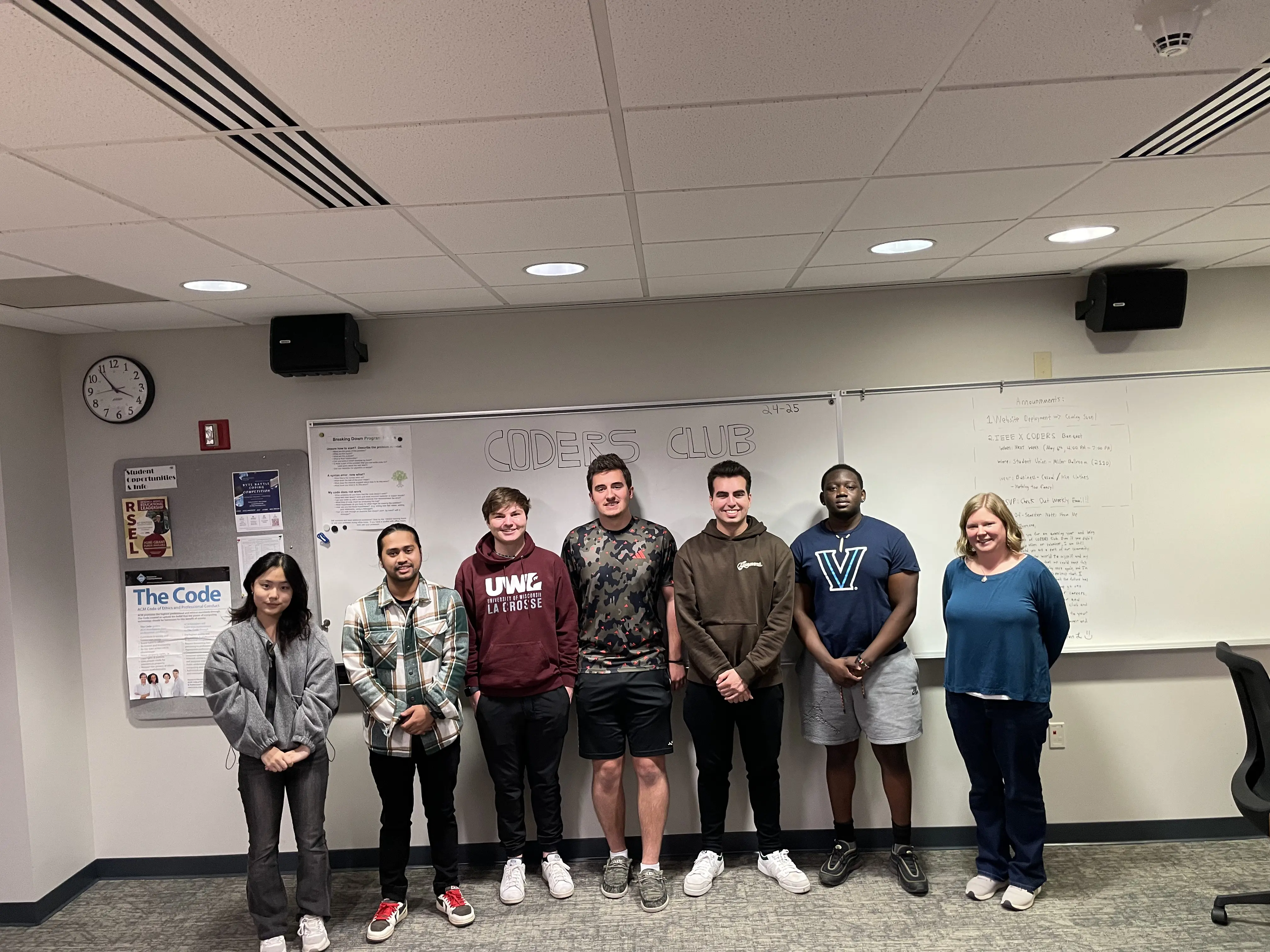
Everyone left the project with a deeper appreciation for communication, SCRUM practices (long before we'd formally study them in class), hands-on coding experience in several modern languages, and a practical understanding of the Software Development Life Cycle. Our use of GitHub for synchrony and CI/CD gave us valuable professional skills and strengthened our sense of shared ownership.
Best of all, we completed and deployed the entire project in just 15 weeks, leaving each team member with a standout experience to proudly feature on their résumés and discuss with future employers.
The most valuable skill I gained wasn't coding. It was learning how to lead, communicate, and collaborate effectively in a technical team environment.
Technical Stack and Implementation
The CODERS website was built using modern web technologies that provided both learning opportunities and professional-grade results:
- Frontend Framework: Angular with TypeScript
- Styling: CSS with responsive design principles
- Version Control: GitHub with branching and pull request workflow
- Project Management: SCRUM methodology with weekly sprints
- Deployment: University server with proper security protocols
Team Structure and Roles
Our team of 13 students was organized into specialized roles:
- Project Lead: Overall coordination and stakeholder communication
- Frontend Developers: UI/UX implementation and component development
- Content Managers: Website content creation and organization
- Quality Assurance: Testing and accessibility compliance
- Documentation: Technical documentation and user guides
This structure allowed everyone to contribute according to their strengths while learning new skills through collaboration.
Lessons Learned
The CODERS website project taught us invaluable lessons that extend far beyond web development:
-
Communication is Key: Regular check-ins and clear communication prevented misunderstandings and kept everyone aligned.
-
Embrace the Learning Process: Not knowing something isn't a weakness—it's an opportunity to learn together as a team.
-
Structure Enables Creativity: Having clear processes and frameworks actually freed us to be more creative and innovative.
-
Professional Standards Matter: Treating our student project with professional rigor prepared us for real-world development environments.
-
Team Success > Individual Achievement: The most rewarding moments came from seeing our collective vision come to life.
Looking Forward
The CODERS website continues to serve as a hub for computer science students at UW-La Crosse, but more importantly, it stands as a testament to what can be accomplished when a diverse group of students comes together with a shared vision and a commitment to learning and growth.
This experience fundamentally changed my perspective on software development. I now understand that the most impactful projects aren't just about writing elegant code—they're about building relationships, fostering collaboration, and creating something greater than the sum of its parts.
Wrapping things up
The CODERS website project was more than just a technical achievement—it was a masterclass in teamwork, leadership, and professional development. It taught me that the most valuable skills in software development often have nothing to do with code itself.
If you want to see this project for yourself, check us out at coders.cs.uwlax.edu or visit our GitHub page: website.
This experience has shaped my approach to every project since, reminding me that great software is built by even greater teams.